
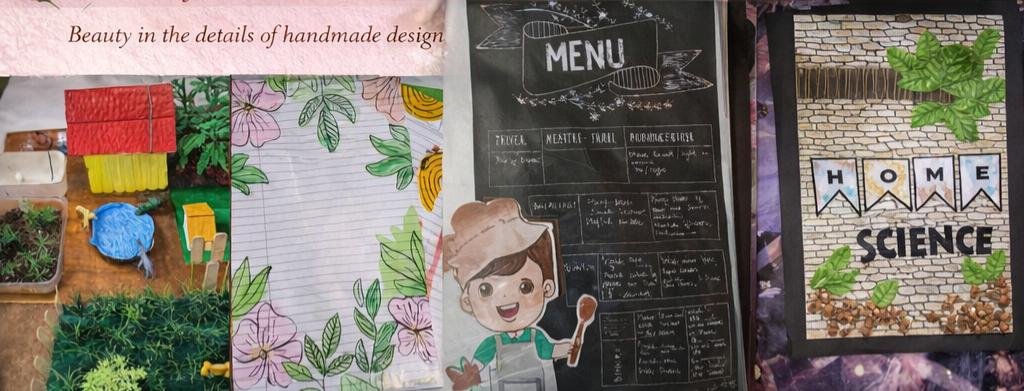
Education is not just about textbooks and exams—it’s about creativity, problem-solving, and applying knowledge in real-world contexts. One of the most effective ways schools and colleges encourage this is through projects, models, and assignments. These activities bridge the gap between theory and practice, helping students develop skills that last far beyond the classroom.
In this blog, we’ll explore the importance of projects and assignments, different types of models across subjects, tips for excelling in college assignments, and how these tasks nurture creativity, teamwork, and innovation.
Why Projects and Models Matter in Education
Projects and models are more than just “extra work.” They serve multiple purposes:
- Application of Knowledge: Students move from memorizing facts to applying concepts in practical scenarios.
- Creativity and Innovation: Crafting a model or designing a project encourages imagination and problem-solving.
- Teamwork and Collaboration: Group assignments teach communication, leadership, and cooperation.
- Confidence Building: Presenting a project boosts public speaking and presentation skills.
- Skill Development: Research, design, critical thinking, and time management are all sharpened.
In short, assignments and models transform passive learning into active exploration.
School Projects: A Playground for Creativity
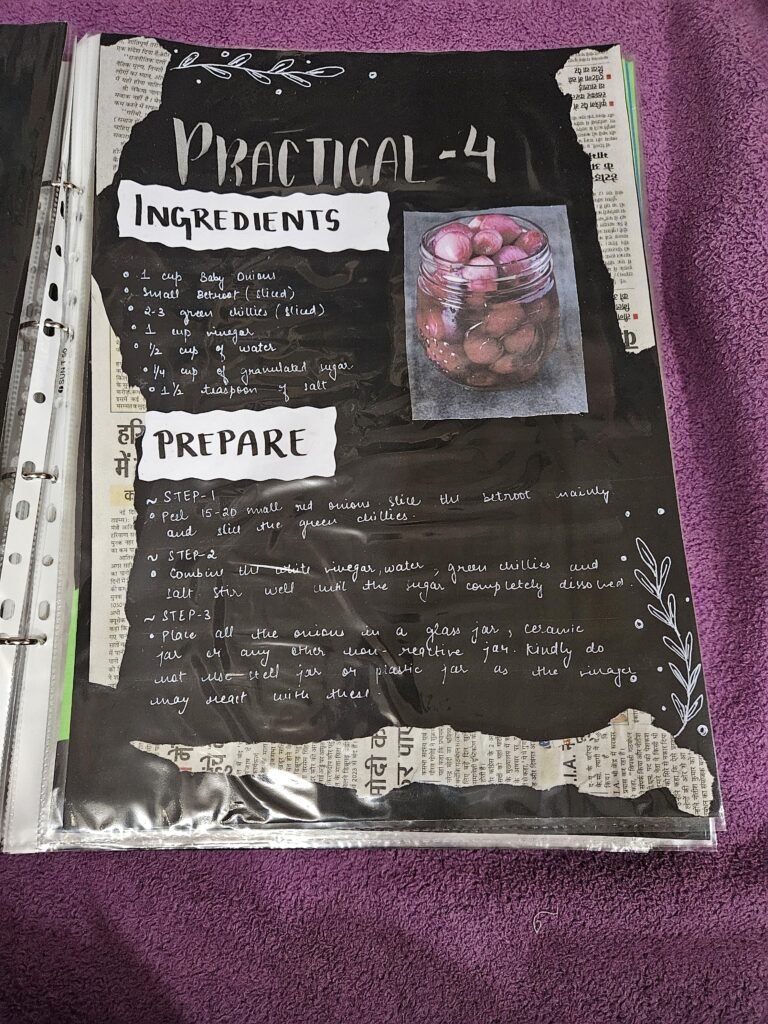
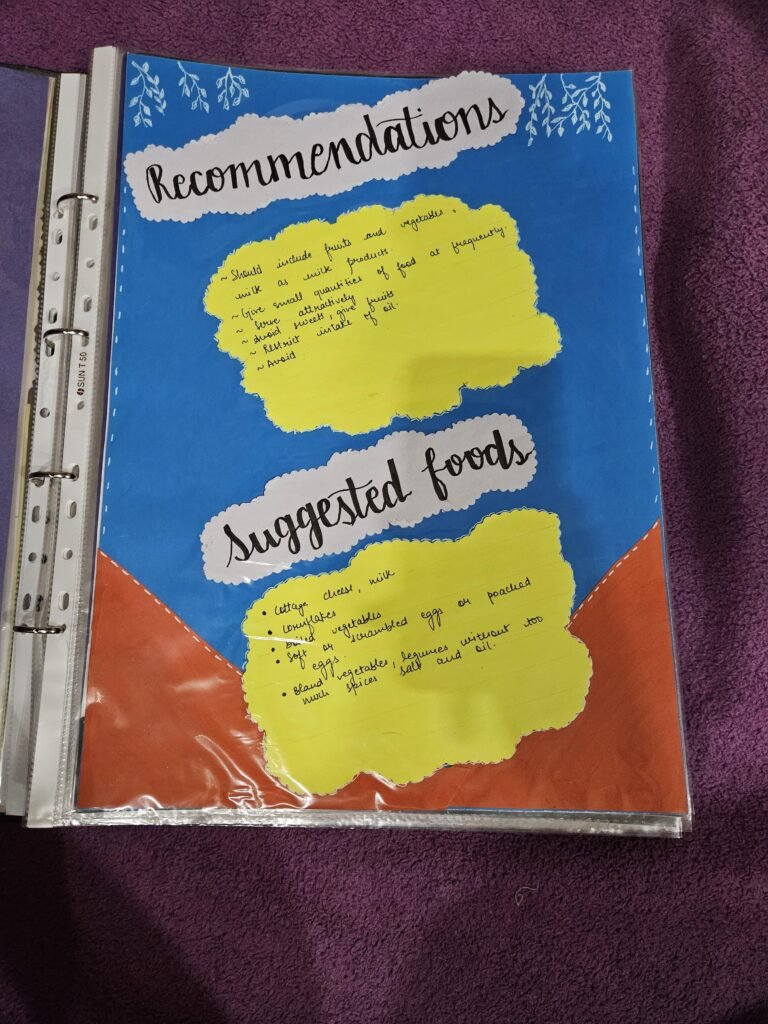
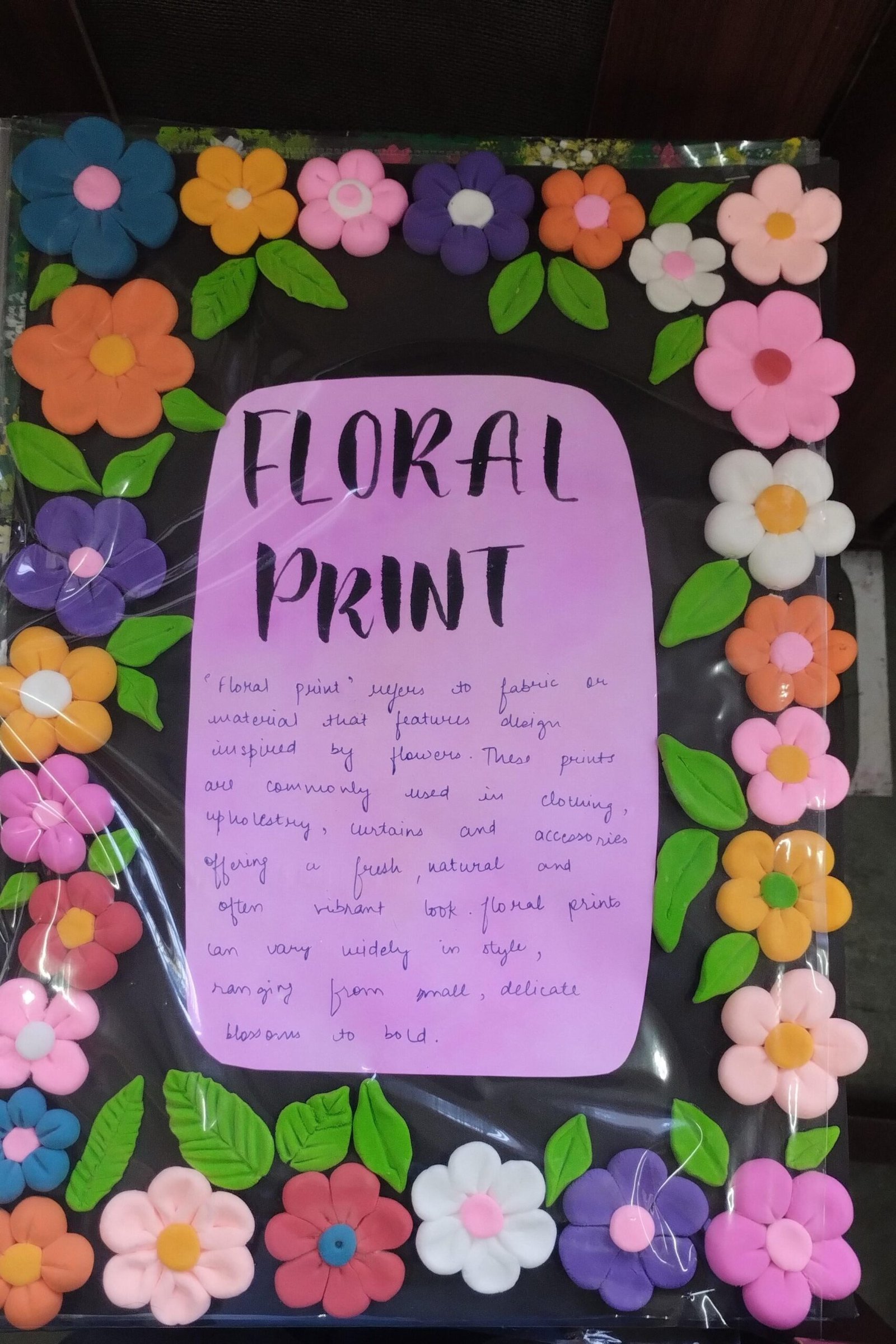
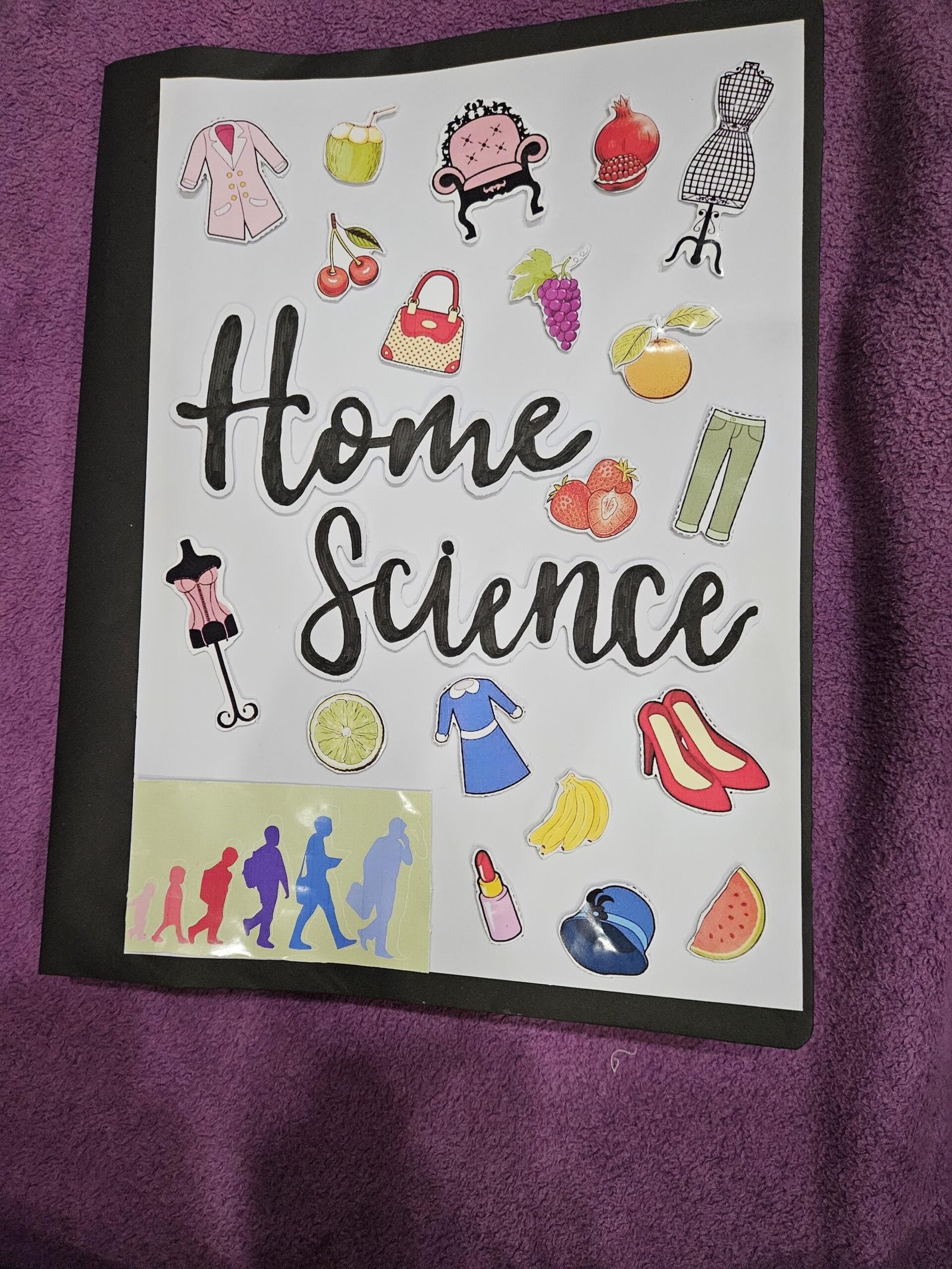
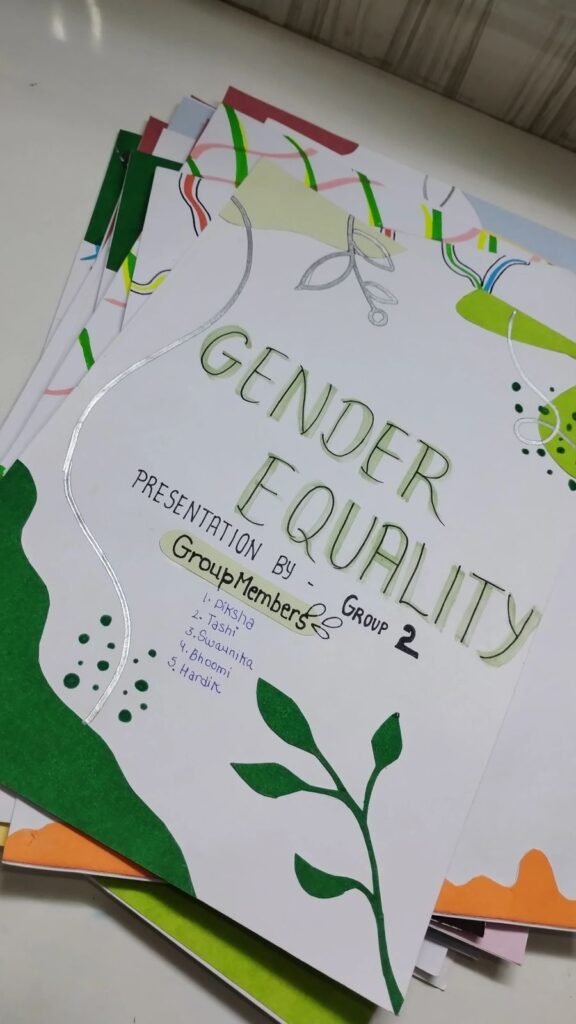
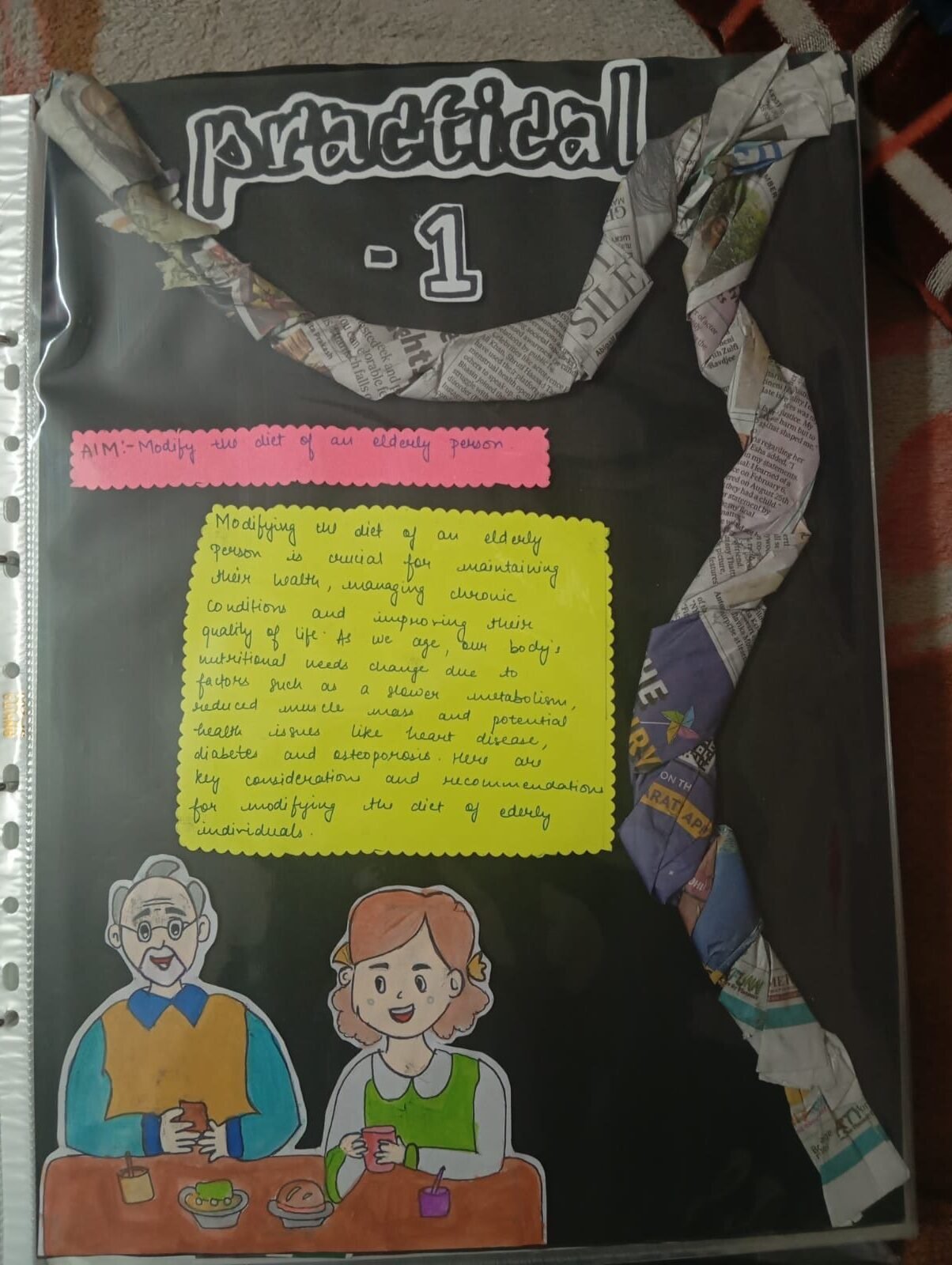
At the school level, projects often focus on hands-on learning. They allow children to explore subjects in fun, interactive ways.
Examples of School Projects
- Science Projects: Volcano eruption models, solar system dioramas, water filtration experiments.
- Social Studies Projects: Historical timelines, cultural exhibitions, 3D maps of countries.
- Mathematics Projects: Geometry models, probability games, abacus demonstrations.
- Art & Craft Projects: Collages, recycled-material crafts, thematic paintings.
These projects encourage curiosity and make learning memorable. For instance, a student who builds a working windmill model will never forget the principles of renewable energy.
Models: Bringing Concepts to Life
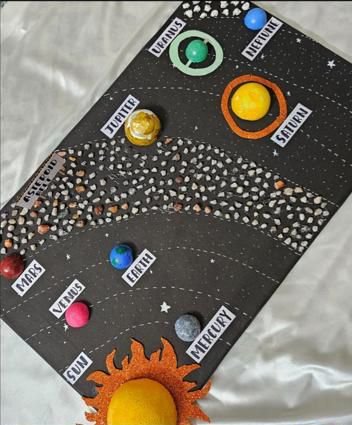
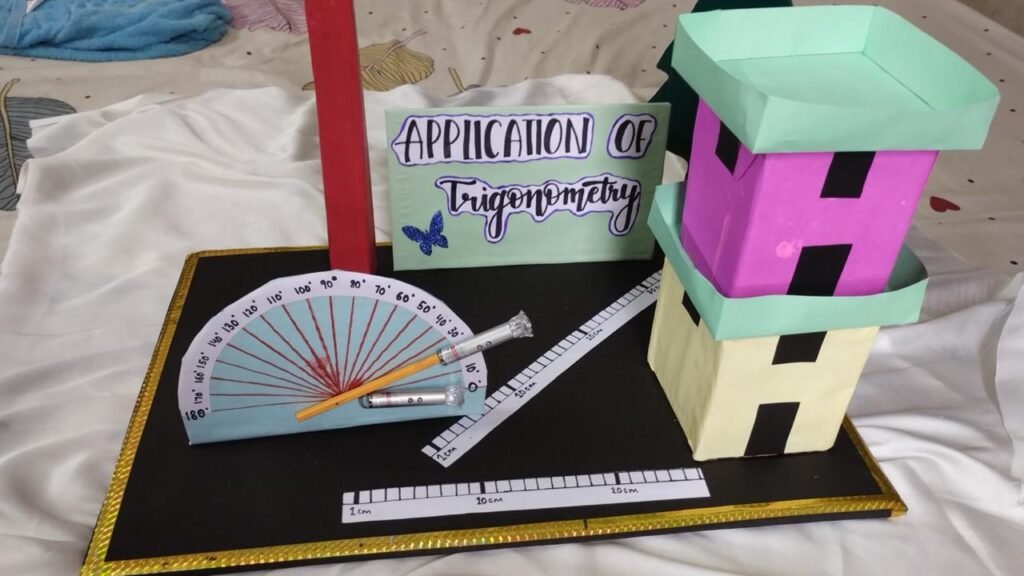
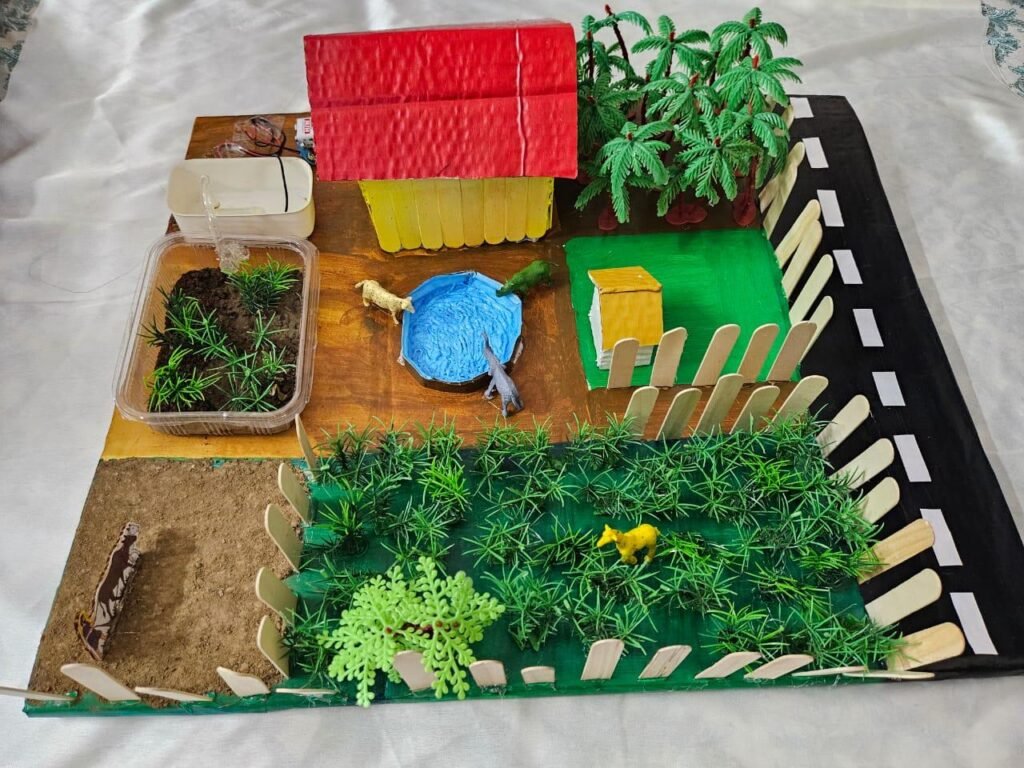
Models are miniature representations of ideas, processes, or structures. They are particularly effective in subjects like science, geography, and engineering.
Types of Educational Models
- Working Models: Demonstrate a process in action (e.g., hydraulic lift, electric circuit).
- Static Models: Represent structures without movement (e.g., Taj Mahal replica, cell structure).
- Digital Models: Created using software tools like CAD or simulation apps.
- Hybrid Models: Combine physical and digital elements for interactive learning.
Models make abstract concepts tangible. For example, a 3D DNA double helix model helps students visualize molecular biology far better than a diagram in a textbook.
Assignments: Building Academic Discipline
Assignments are structured tasks given to students to deepen their understanding of a subject. Unlike projects, they often focus on research, writing, and analysis.
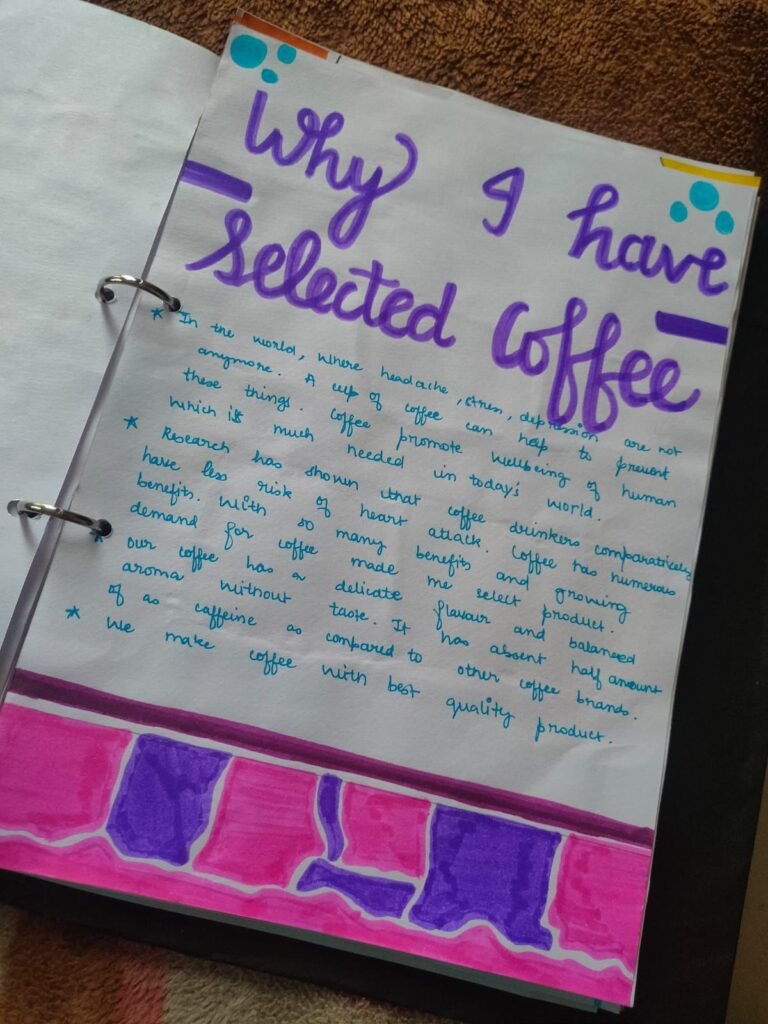
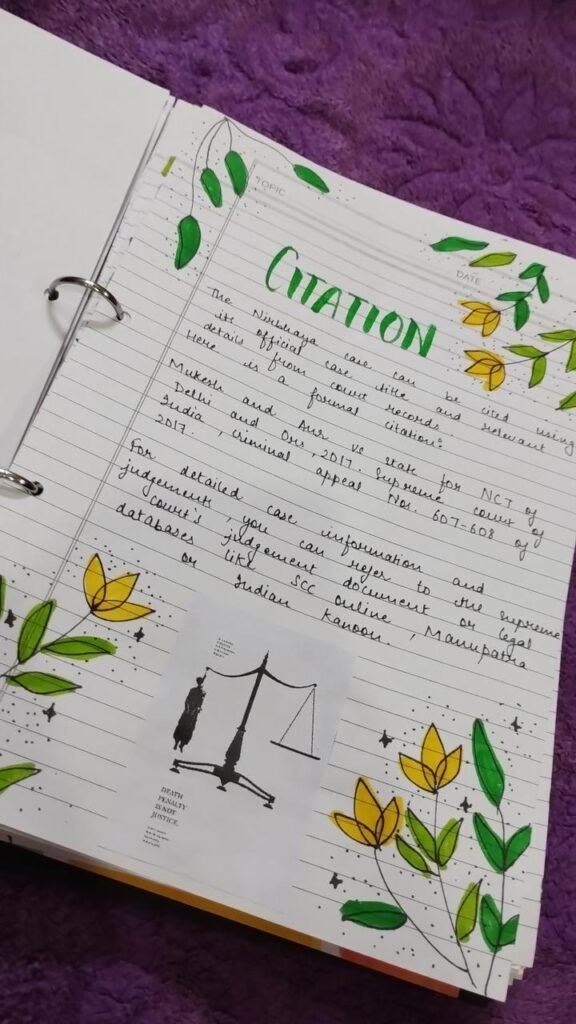
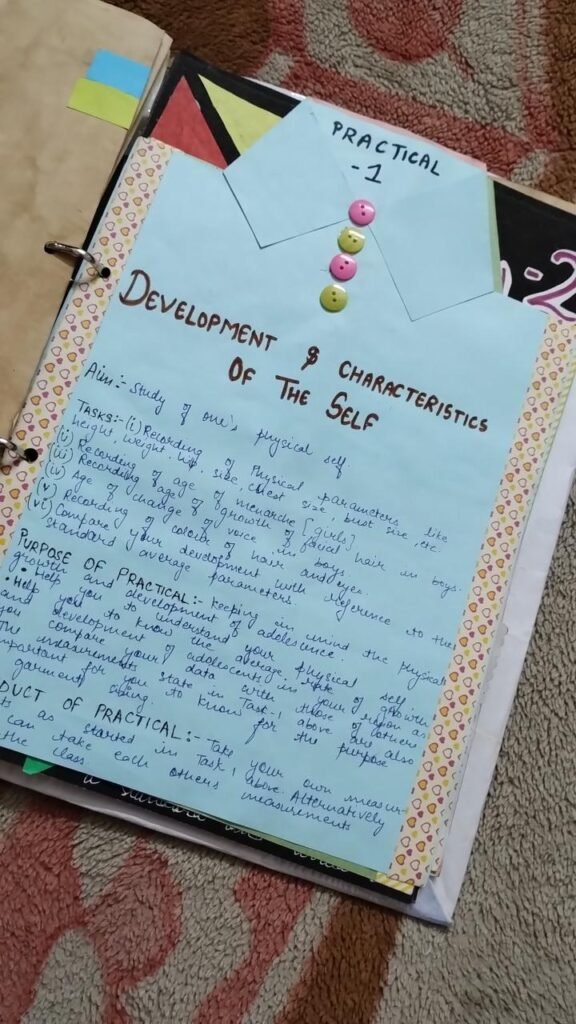
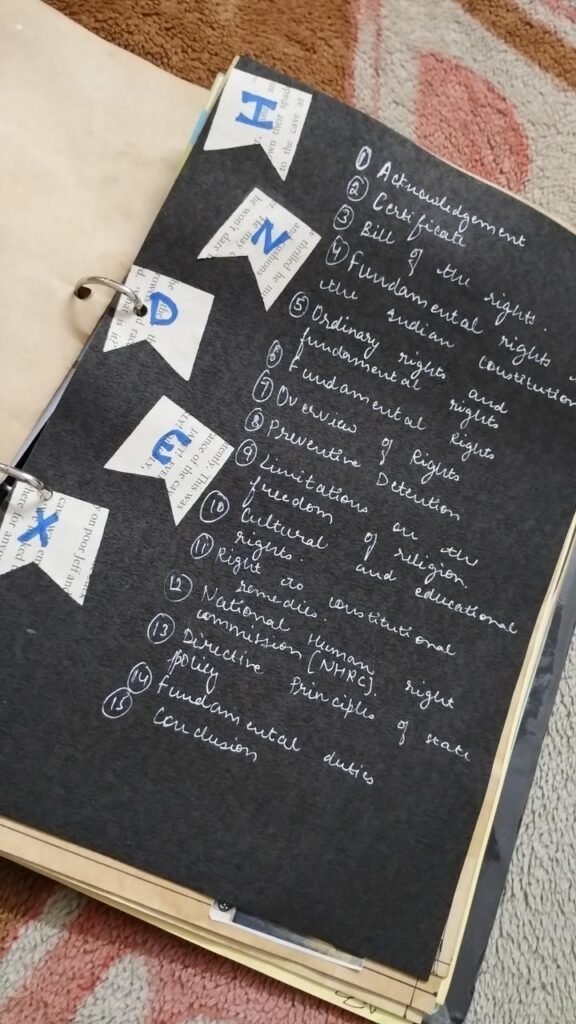
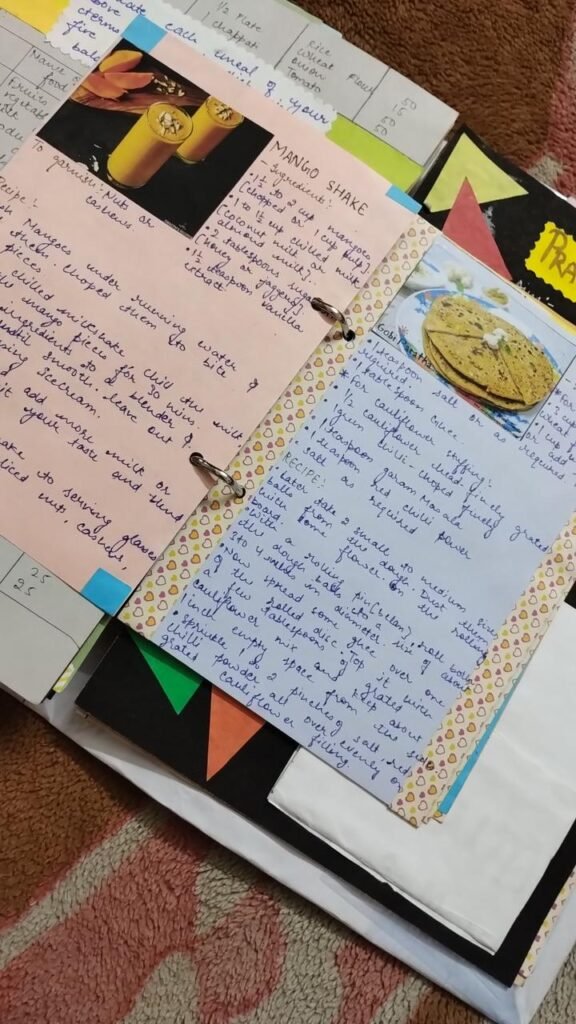
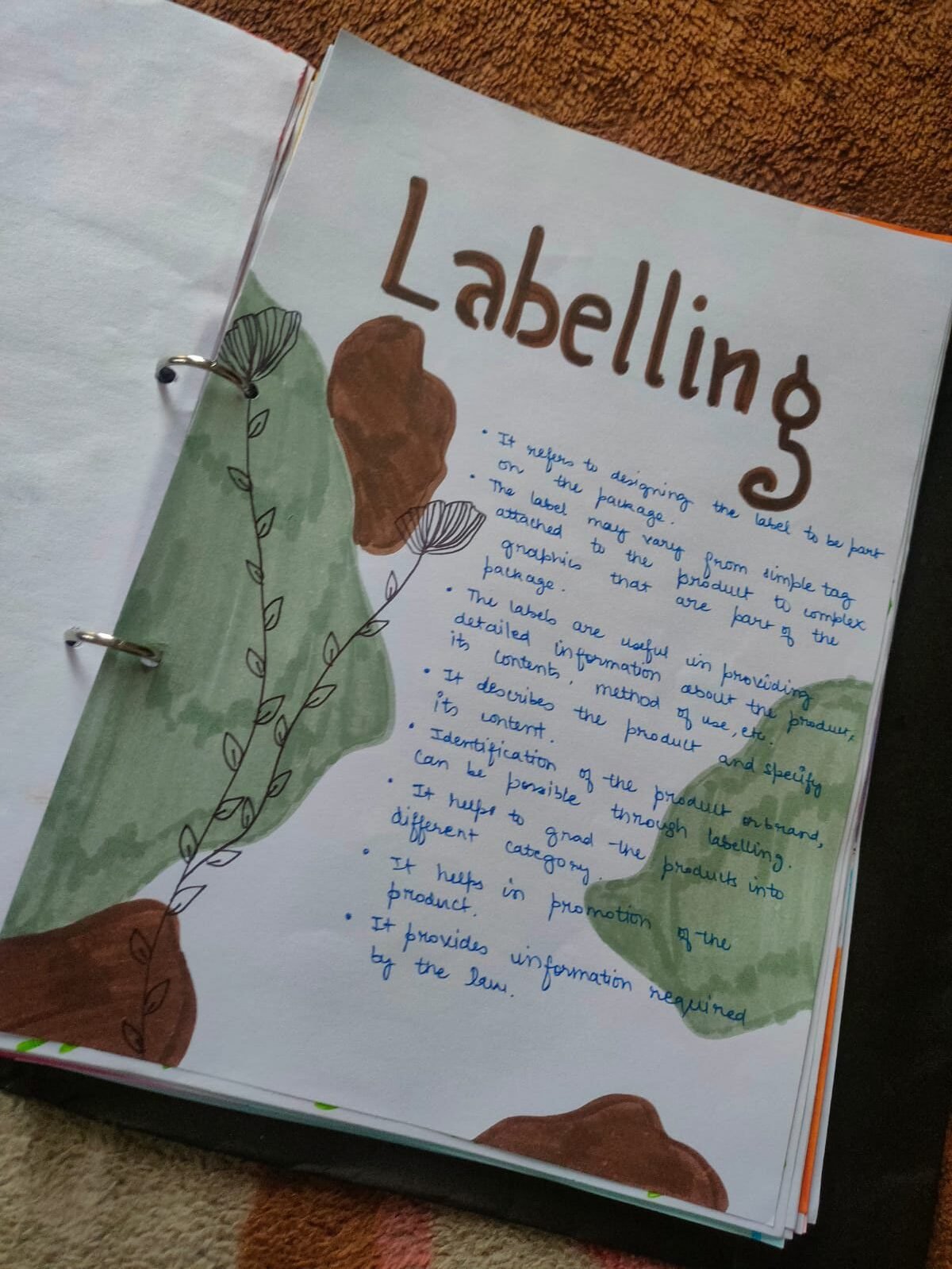
Types of Assignments
- Essay Writing: Encourages critical thinking and articulation.
- Case Studies: Apply theoretical knowledge to real-world scenarios.
- Presentations: Develop communication and design skills.
- Problem-Solving Worksheets: Strengthen analytical abilities.
- Creative Assignments: Story writing, design tasks, or multimedia projects.
Assignments teach students to work independently, manage deadlines, and present ideas coherently.
College Assignments: A Step Toward Professionalism
College assignments are more advanced and often mirror professional tasks. They prepare students for careers by demanding deeper research, originality, and critical analysis.
Common College Assignments
- Research Papers: Require extensive study, citations, and structured arguments.
- Group Projects: Simulate workplace collaboration.
- Lab Reports: Document experiments with precision.
- Dissertations/Theses: Long-term projects showcasing independent research.
- Fieldwork Assignments: Collecting data outside the classroom, such as surveys or case studies.
College assignments demand discipline, originality, and academic integrity. Plagiarism is strictly discouraged, pushing students to develop their own voice and perspective.
Tips to Excel in Projects and Assignments
- Plan Early: Break tasks into smaller steps and set deadlines.
- Research Thoroughly: Use books, journals, and credible online sources.
- Be Creative: Add unique elements—visuals, models, or storytelling.
- Stay Organized: Keep notes, drafts, and materials in order.
- Practice Presentation: Confidence in delivery is as important as content.
- Seek Feedback: Teachers and peers can provide valuable insights.
- Use Technology: Tools like Canva, PowerPoint, or simulation apps enhance quality.
Real-Life Impact of Educational Projects
Projects and assignments often go beyond classrooms:
- Science Fairs: Inspire innovation and sometimes lead to patents or startups.
- Community Projects: Encourage social responsibility, like awareness campaigns.
- College Research: Contributes to academic journals and professional knowledge.
For example, a student’s project on water conservation might evolve into a community initiative, creating real change.
Balancing Creativity and Academic Rigor
The best projects and assignments strike a balance between creativity and academic rigor. While creativity makes work engaging, rigor ensures accuracy and credibility.
- A science project should be visually appealing but also scientifically correct.
- A college essay should be original but backed by proper references.
- A model should be innovative but structurally sound.
This balance prepares students for both academic success and real-world problem-solving.
Conclusion
School projects, models, and assignments are not just tasks—they are stepping stones to creativity, confidence, and career readiness. From a child’s first craft project to a college student’s thesis, these activities shape skills that last a lifetime.
They teach us to think beyond textbooks, collaborate with others, and express ideas creatively. In a world that values innovation and adaptability, these educational exercises are more relevant than ever.
So, whether you’re building a volcano model in school or writing a dissertation in college, remember: every project is an opportunity to learn, grow, and shine.